

Cyclone Ditwa really hit Sri Lanka hard, and businesses felt the brunt of it. It wasn’t just a little rain; we’re talking widespread power outages, flights getting messed up, and even the stock market closing early. This article breaks down exactly how the Ditwa cyclone business impact rippled through the country, looking at everything from immediate disruptions to the longer-term economic picture and what’s being done to help.
Overview
- Widespread power outages and disruptions to air travel immediately followed Cyclone Ditwa, causing significant operational challenges for businesses across Sri Lanka.
- The government responded with emergency funding measures and extended tax deadlines to help businesses cope with the aftermath of the cyclone.
- Specific sectors like tourism and wildlife attractions faced closures and challenges due to adverse weather and flood warnings, impacting their operations.
- International aid, including assistance from India, was offered to support relief and recovery efforts in the wake of the cyclone’s damage.
- While the immediate impact was severe, efforts are underway to assess the full extent of the Ditwa cyclone business impact and implement strategies for recovery and resilience.
Cyclone Ditwa’s Immediate Impact on Sri Lankan Businesses
Cyclone Ditwa hit Sri Lanka hard, and the effects on businesses were felt almost immediately. It wasn’t just a bit of rain; this was serious weather that shut things down.
Widespread Power Disruptions Across the Island
One of the first things businesses noticed was the power going out. We’re talking about over 65,000 reported electricity disruptions all over the island. Imagine trying to run a shop, a factory, or even an office when the lights keep flickering off and on, or just staying off completely. This kind of instability makes it really tough to get any work done. For many, it meant shutting down operations for the day, leading to lost productivity and revenue. It’s a basic need, electricity, and when it’s gone, everything grinds to a halt.
Early Closure of Colombo Stock Exchange
The financial markets felt the pinch too. The Colombo Stock Exchange had to close early on Friday, November 28, 2025. Normally, trading goes on until 2 p.m., but because of the bad weather, they shut down two hours ahead of schedule. This kind of disruption can make investors nervous and affect trading patterns. It’s a sign of how widespread the impact was, reaching even the heart of the country’s financial dealings.
Disruption to Air Travel and Airport Operations
Getting in and out of the country also became a challenge. The Airport and Aviation Services (Sri Lanka) Ltd. put out advisories for travelers to keep a close eye on flight schedules. Adverse weather conditions mean flights can be delayed or canceled, which messes up travel plans for both business and leisure. For businesses that rely on air cargo or have employees traveling, this is a significant problem. It adds another layer of uncertainty to an already difficult situation. India was quick to offer assistance, sending relief materials to help those affected by the cyclone’s impact [da5d].
The immediate aftermath of Cyclone Ditwa brought a cascade of operational challenges for businesses across Sri Lanka. From essential utilities failing to financial markets pausing and transport links becoming unreliable, the storm’s force was undeniable. These initial disruptions set the stage for broader economic concerns that would need addressing in the days and weeks to come.
Economic Repercussions and Government Responses
Cyclone Ditwa really threw a wrench into things, didn’t it? The immediate aftermath saw the government scrambling to figure out how to help everyone. The Treasury Secretary, Dr. Harshana Suriyapperuma, laid out some emergency funding measures to get things moving again. This included making procurement a bit more flexible, which is pretty important when you need supplies fast. They also reached out to the international community, holding briefings with Colombo-based Heads of Mission to talk about relief and recovery efforts. It’s clear they’re trying to coordinate a big response.
Here’s a quick look at some of the government’s actions:
- Emergency Funding: Allocating resources to address immediate needs.
- Procurement Flexibility: Streamlining the process for acquiring necessary goods and services.
- Diplomatic Coordination: Engaging with foreign governments and organizations for support.
- Relief Account Opening: Setting up special accounts for both local and foreign contributions to disaster relief efforts. This is a good way for people who want to help to actually do it.
It wasn’t just about immediate cash injections, though. The government also recognized that businesses were going to need more time to get back on their feet. That’s why they announced extended tax filing deadlines for businesses across the island. This gives companies a bit of breathing room, which is a smart move when you’re dealing with widespread disruption. It’s a tough situation, and figuring out the best way forward is going to take time and a lot of effort from everyone involved. You can find more information on navigating the Sri Lankan business landscape at Sri Lanka’s unique business culture.
The government’s response has focused on both immediate financial aid and creating a more supportive environment for businesses to recover. This dual approach aims to stabilize the economy while also laying the groundwork for future resilience.
Sector-Specific Disruptions and Challenges
Cyclone Ditwa didn’t just cause general chaos; it hit specific industries hard, creating unique problems for businesses across Sri Lanka. The storm’s fury meant that some of the country’s most vital natural attractions had to shut their doors, impacting local economies that rely on them.
Closure of National Parks and Wildlife Attractions
Many national parks and wildlife sanctuaries were forced to close temporarily. This wasn’t just about keeping visitors safe; it was also about protecting the delicate ecosystems within these areas from further damage. Think of places like Yala and Udawalawe – they are huge draws for tourists, both local and international. When they’re closed, it means no entry fees, no guided tours, and a ripple effect on the small businesses that operate around these parks, like guesthouses and souvenir shops. It’s a tough break for communities that depend on this income.
Impact on Tourism Sector Amidst Adverse Weather
The tourism sector, already trying to find its footing, took another significant blow. With travel advisories and general safety concerns, many bookings were cancelled. The unpredictable weather made it difficult for tour operators to plan anything, leading to widespread cancellations and a sharp drop in visitor numbers. This is particularly bad news for an industry that provides so many jobs and brings in much-needed foreign currency. It’s not just about hotels; it’s about the drivers, the guides, the restaurant staff – everyone feels the pinch when tourists stay away. The disruption to online business operations was also felt, as many smaller tourism providers rely on digital platforms to reach customers.
Flood Warnings Issued for Key River Basins
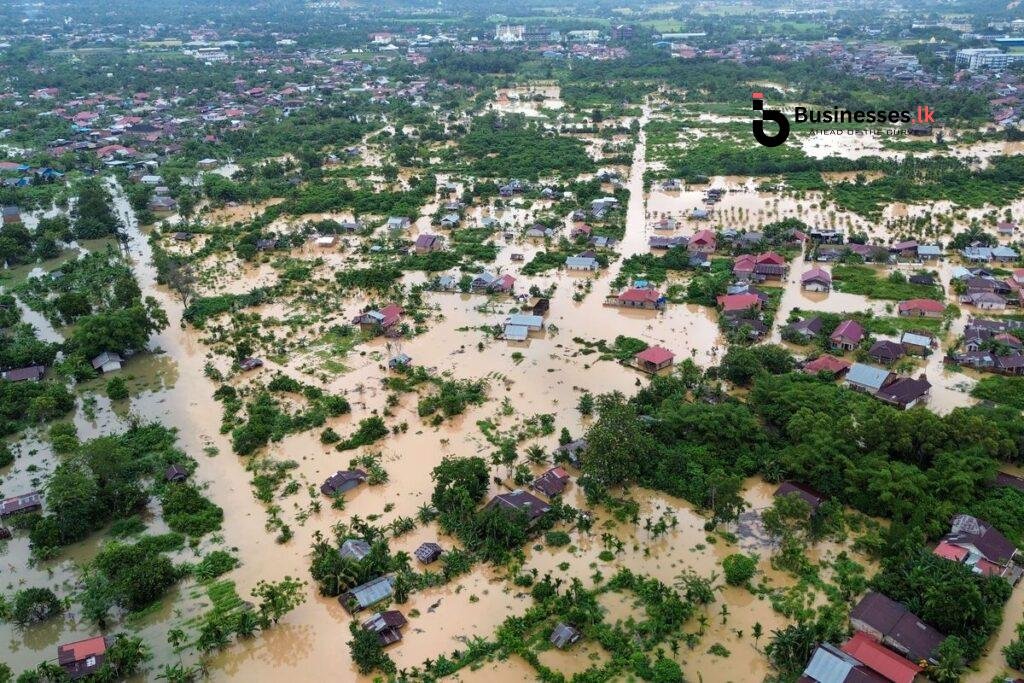
Beyond the immediate wind and rain, the cyclone triggered serious flood warnings in several major river basins. Areas around the Mahaweli, Kalu, and Gin rivers were put on high alert. This poses a direct threat to businesses located in these flood-prone zones. Imagine factories, warehouses, or even agricultural lands getting inundated. The cleanup and recovery process can be long and costly, and for some businesses, it might be too much to bear. The agricultural sector, a backbone of the Sri Lankan economy, is especially vulnerable to these kinds of events. Crops can be destroyed overnight, leading to significant losses for farmers and impacting food supply chains.
Humanitarian Crisis and Business Continuity
Cyclone Ditwa didn’t just knock out power and disrupt flights; it brought a serious humanitarian crisis that businesses had to deal with. We’re talking about rising death tolls and the urgent need for evacuations. It’s a tough situation when people’s lives are at risk, and businesses often find themselves in the middle of it, trying to keep things running.
Rising Death Toll and Evacuations
The cyclone’s impact has been devastating, with reports of a rising death toll across several districts. This naturally leads to emergency evacuations, forcing people to leave their homes and communities behind. For businesses, this means dealing with staff shortages, potential damage to property in affected areas, and a general sense of unease that affects everyone.
Air Force Rescues Amidst Severe Weather
In the midst of this chaos, the Sri Lanka Air Force has been working hard, conducting rescue operations. There are reports of Bell 212 aircraft being used to get people out of dangerous situations, like those stranded in the Mahawa Ella area. While these rescues are vital for saving lives, they also highlight the severity of the conditions and the widespread disruption caused by Ditwa.
Establishment of Relief Centers for Affected Families
To help those displaced, relief centers have been set up. These centers are crucial for providing shelter, food, and basic necessities to families who have lost their homes or have been forced to evacuate. Businesses can play a role here, whether through direct donations, providing supplies, or allowing employees affected by the cyclone time off to help their families. Understanding Sri Lankan business culture can be helpful in coordinating these efforts effectively.
The immediate aftermath of Cyclone Ditwa has put a spotlight on the resilience of communities and the critical role of emergency services. Businesses are not isolated from these events; their continuity plans must account for the human element – the safety and well-being of their employees and the communities they operate within.
Here’s a quick look at some key aspects:
- Employee Safety: Prioritizing the safety of staff is paramount. This includes clear communication channels and support for those affected.
- Supply Chain Impact: Disruptions can affect the flow of goods and services, requiring businesses to find alternative solutions.
- Community Support: Many businesses are stepping up to help with relief efforts, demonstrating corporate social responsibility.
- Government Coordination: The government is working with international partners, like India, to manage the relief and recovery process, which indirectly supports business stability.
International Aid and Support for Sri Lanka
India’s Offer of Assistance Following Cyclone Impact
Cyclone Ditwa really hit Sri Lanka hard, and thankfully, other countries are stepping up to help. India, being a close neighbor, was one of the first to offer support. Prime Minister Narendra Modi reached out, expressing solidarity and making it clear that India stands ready to assist Sri Lanka during this tough time. It’s good to see that kind of neighborly support when things get rough.
Opening of Accounts for Local and Foreign Disaster Relief Contributions
The Sri Lankan government has also made it easier for people to contribute to relief efforts. They’ve announced that special accounts have been opened. This means both Sri Lankans living abroad and foreign nationals who want to help can easily send in their contributions. It’s a practical step to channel all the goodwill and aid effectively.
The coordinated effort to gather international and local support highlights the severity of the situation and the government’s commitment to recovery.
Here’s a quick look at how you can contribute:
- Local Contributions: Details on how to donate within Sri Lanka will be made available through official government channels.
- Overseas Contributions: Specific bank accounts and methods for international donations have been set up.
- In-Kind Donations: Information regarding the types of goods and supplies most needed will also be communicated.
It’s important for businesses and individuals looking to help to follow the official announcements to ensure their contributions reach the intended relief efforts smoothly.
Financial Sector Adjustments Post-Cyclone
Treasury Bond Auction Outcomes
Cyclone Ditwa’s impact rippled through the financial markets, leading to some interesting shifts. The Treasury bond auction, for instance, saw its secondary market yields adjust. While the exact figures can fluctuate, the general trend indicated a market reaction to the increased uncertainty and potential government borrowing needs in the wake of the storm. It’s a bit like when a big storm hits your town; people start thinking about what might happen next, and that affects how they value things.
Central Bank Policy Rates Remain Steady
Despite the disruptions, the Central Bank of Sri Lanka decided to keep its policy rates unchanged. This move suggests a desire to maintain stability in the financial system. They likely want to avoid adding more pressure on businesses and individuals when they’re already dealing with the cyclone’s aftermath. It’s a balancing act, for sure.
Analysis of Sectoral Private Credit Trends
Looking at where the money is flowing, we saw some notable trends in private credit. The period from April to September 2025 showed a strong turnaround, particularly in agriculture and household loans. This is a positive sign, indicating that even with the cyclone’s disruption, certain sectors were showing resilience or perhaps benefiting from recovery efforts. It’s good to see that lending isn’t completely drying up.
Here’s a quick look at some of the credit trends:
Long-Term Economic Outlook and Recovery Efforts
- Agriculture Loans: Saw a significant uptick, suggesting investment in rebuilding or planting.
- Household Loans: Also showed improvement, possibly indicating people trying to get back on their feet.
- Other Sectors: Experienced more varied performance, reflecting the uneven impact of the cyclone.
The financial sector’s response, while not always immediately obvious, plays a huge part in how quickly a country can recover from a disaster like Cyclone Ditwa. Keeping interest rates stable and seeing growth in key lending areas are good signs for the road ahead.
External Debt Repayment Projections for 2025
Looking ahead, Sri Lanka’s ability to manage its external debt remains a key focus. The Central Bank of Sri Lanka (CBSL) Chief has provided insights into the projected debt servicing for 2025. While the nation has made strides in its economic recovery, the path forward requires careful financial planning and continued fiscal prudence. The government is working to stabilize the economy and meet its international obligations. This includes managing foreign exchange reserves and ensuring a steady flow of income to service debts. It’s a complex balancing act, but one that’s vital for long-term economic health.
Focus on Shifting Tourism to Value-Based Strategies
The tourism sector, a significant contributor to the economy, is being encouraged to move beyond just attracting large numbers of visitors. The emphasis is now on attracting tourists who spend more and contribute higher value to the local economy. This means focusing on unique experiences, cultural immersion, and high-quality services. The Sri Lanka Tourism Development Authority (SLTDA) Chairman has been vocal about this shift, suggesting that a more targeted approach can lead to more sustainable growth. It’s about quality over quantity, really. We want visitors who appreciate what Sri Lanka has to offer and are willing to invest in it, rather than just passing through. This strategy aims to boost earnings without necessarily increasing the strain on resources. The goal is to build a more robust and profitable tourism industry for the future.
Apparel Exports Maintain Positive Momentum
On a more positive note, the apparel sector has shown resilience and continued growth. Exports in this area have maintained a steady upward trend. The Joint Apparel Association Forum (JAAF) reported positive year-on-year increases in exports for the first ten months of 2025. This sector’s performance is a bright spot, demonstrating the strength of Sri Lankan manufacturing and its ability to compete on the global stage. It’s a testament to the hard work and dedication of the people in the industry. This consistent performance provides a stable source of foreign exchange and employment, contributing significantly to the nation’s economic stability. The continued demand for Sri Lankan apparel suggests a strong global market presence.
The aftermath of Cyclone Ditwah presents a mixed economic picture. While certain sectors show promising recovery and growth, others face ongoing challenges. The government’s strategy involves a multi-pronged approach, focusing on fiscal responsibility, targeted sector development, and rebuilding investor confidence. The nation is working towards a more resilient economic future, learning from recent events to better prepare for future shocks. It’s about building back stronger and smarter.
Key areas for recovery efforts include:
- Strengthening financial sector stability.
- Diversifying export markets and products.
- Investing in infrastructure resilience against natural disasters.
- Promoting sustainable tourism practices.
- Supporting small and medium-sized enterprises (SMEs) in their recovery.
The government is also looking at ways to improve its disaster preparedness and response mechanisms. This includes better early warning systems and more efficient distribution of aid. The aim is to minimize the impact of future cyclones on businesses and communities. It’s a long road, but the focus is on building a more secure and prosperous Sri Lanka for everyone. The country is looking to international partners for support, as seen with offers of assistance from nations like India following the cyclone’s impact India’s offer of assistance following cyclone impact. The opening of specific accounts for disaster relief contributions also signals a concerted effort to channel aid effectively.
Addressing the Ditwa Cyclone Business Impact
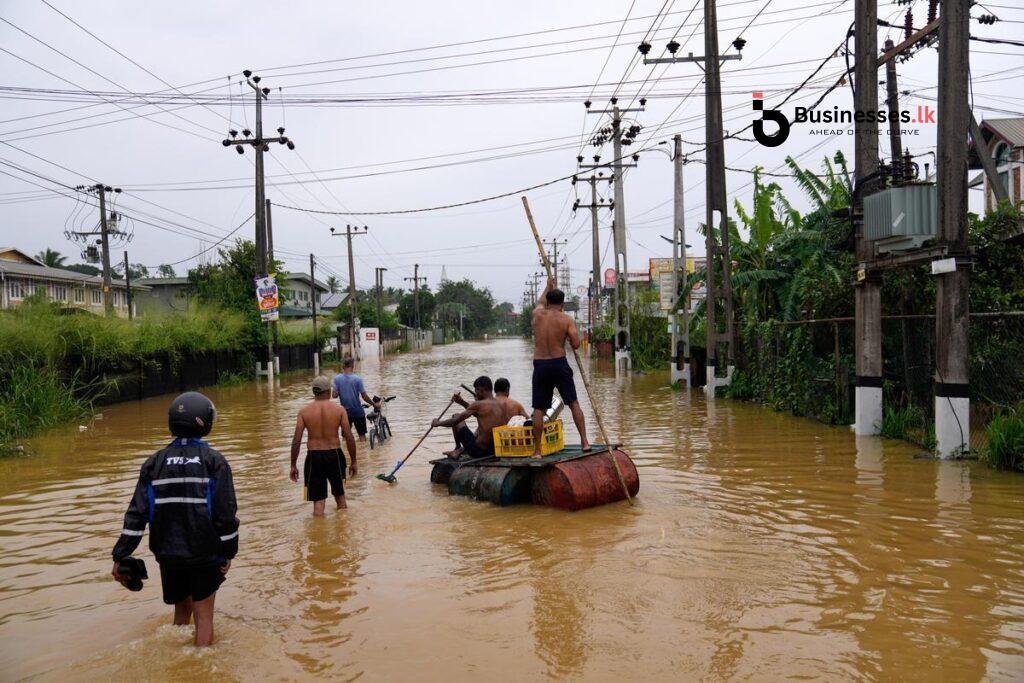
Cyclone Ditwa really threw a wrench into things for businesses across Sri Lanka. It wasn’t just a little inconvenience; it was a full-blown disruption. We’re talking about widespread power outages that shut down operations, and the Colombo Stock Exchange even had to close early. Air travel got messed up too, which impacts everything from supply chains to people getting to work.
Assessing the Full Extent of Business Disruptions
It’s tough to put an exact number on the damage right now, but we know it’s significant. Over 65,000 power disruptions were reported island-wide, which is a massive number. Add to that the closure of national parks and wildlife attractions, and you can see how broad the impact is. The tourism sector, already trying to bounce back, faced another setback with the adverse weather.
Strategies for Business Resilience and Recovery
So, what can businesses do? It’s about being ready for the unexpected. This means having backup power plans, flexible work arrangements for employees, and clear communication channels. For those in affected areas, focusing on immediate recovery is key. This could involve:
- Securing essential supplies and equipment.
- Assessing damage to property and inventory.
- Communicating with customers about potential delays or service changes.
- Exploring temporary operational sites if needed.
The Role of Government Support in Economic Rebuilding
The government has stepped in with some measures, which is good to see. They’ve extended tax filing deadlines, which gives businesses a bit of breathing room. The Treasury Secretary has also outlined emergency funding and procurement flexibilities. Plus, there’s a push for international support, with countries like India offering assistance and accounts being opened for disaster relief contributions. This kind of coordinated effort is vital for getting the economy back on its feet.
The immediate aftermath of a cyclone like Ditwa requires a multi-pronged approach. Businesses need to focus on their own survival and recovery, while the government and international community work on broader relief and rebuilding efforts. It’s a tough situation, but with clear strategies and support, Sri Lanka can work towards a stronger economic future.
Looking Ahead After Ditwah
Cyclone Ditwah really hit Sri Lanka hard, and it’s clear businesses felt the impact. From travel plans getting messed up to tax deadlines shifting, it was a tough time. We saw how quickly things can change and how important it is for businesses to be ready for the unexpected. The government and international partners are stepping in to help with relief and rebuilding, which is good to see. But this event is a big reminder that resilience is key for Sri Lanka’s economy. We’ll have to see how quickly things bounce back and what lessons are learned to better prepare for future challenges.