The difference between branding and marketing for Sri Lankan SMEs is this: branding is who your business is, and marketing is how you tell people about it. Branding defines your identity, values, and the promise you make to customers. Marketing is the set of activities you use to reach people and convert them into buyers. They are not the same thing, and treating them as such is one of the most expensive mistakes a growing Sri Lankan business can make.
What Is the Real Difference Between Branding and Marketing?
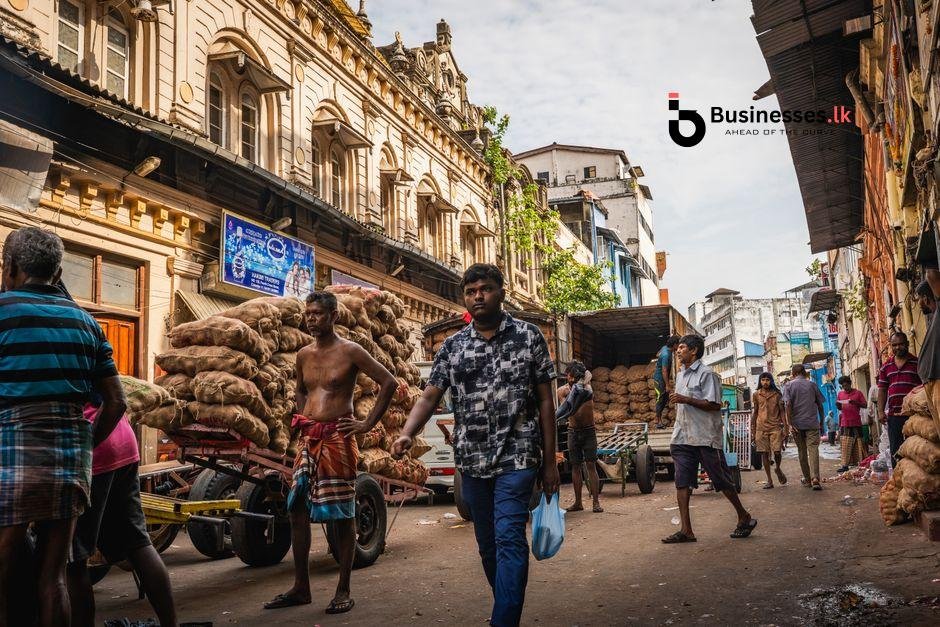
Branding is the foundation. It includes your business name, logo, colours, tone of voice, the values you stand for, and the emotional impression your business leaves on a customer. It answers the question: why should someone choose you over the competitor next door? Marketing, by contrast, is the action you take to create awareness and drive sales. Think Facebook ads, Google campaigns, WhatsApp promotions, seasonal offers, and SEO. Marketing without branding is like shouting in a crowded Colombo market with no sign above your stall. People may hear you, but they have no reason to remember you.
Both are necessary. Neither replaces the other. The key is knowing which one needs attention first, and how they work together over time.
Why Sri Lankan SMEs Frequently Confuse the Two
Most Sri Lankan small business owners start with a simple goal: get customers through the door, or get orders through the phone. That pressure to generate sales quickly means the first thing most people do is post on Facebook, run a promotion, or print a flyer. That is marketing, even if it feels informal.
Because those early actions tend to produce some immediate results, it is easy to assume that marketing is all you need. Branding starts to feel abstract, even unnecessary. “We’ll sort the logo out later” is something every local agency hears constantly. Budget constraints reinforce this. For a small retail business in Kandy or a food stall in Galle, spending on brand strategy before spending on advertising feels counterintuitive.
DIY social media makes it worse. When a business owner is personally managing their own Instagram and WhatsApp Business account, every post feels like a branding decision, even when it is actually just a marketing tactic with no consistent identity behind it. Understanding why Sri Lankan businesses are embracing digital transformation starts with recognising that tools alone do not build brands.
Branding: Building the Foundation Sri Lankan Customers Trust
Sri Lankan consumers are deeply influenced by trust, reputation, and familiarity. This is a market where word of mouth still carries enormous weight, where a recommendation from a neighbour or a family elder can outperform a paid ad. Your brand is what triggers that recommendation. People do not say “buy from that Facebook page.” They say “buy from Nimal’s place, they’re reliable” or “that shop in Nugegoda has good quality, been there for years.”
Think about how some of Sri Lanka’s most recognisable homegrown brands earned their reputations. Local tea brands that have been consistent in packaging, quality messaging, and identity across decades are trusted precisely because they feel familiar. Family-run businesses that scaled, whether in construction, retail, or F&B, almost always did so by building a recognisable name before they expanded their marketing activity. That name, that visual consistency, that consistent quality promise: that is branding.
For your business, branding means deciding: what do you stand for? What should a customer feel when they see your logo or read your message? What makes you different from the three other businesses selling the same product in your town? Sri Lankan business culture and consumer expectations reward businesses that feel authentic and grounded. A well-defined brand delivers exactly that.
Marketing: How Sri Lankan Businesses Activate Their Brand to Drive Sales
Once your brand has a clear identity, marketing is how you put it in front of the right people at the right time. For most Sri Lankan SMEs, the most relevant marketing channels right now are Facebook and Instagram (still the dominant social platforms locally), WhatsApp for direct customer communication and promotions, Google Search for capturing people actively looking for your product or service, and increasingly, short-form video content on TikTok and YouTube.
A clothing boutique in Colombo 7 might run a seasonal Facebook campaign tied to Avurudu. A guesthouse in Ella might use Google Ads to reach tourists searching for accommodation. A professional services firm in Gampaha might invest in SEO so that potential clients find them organically. These are all marketing activities, and understanding choosing the right marketing channels for Sri Lankan SMEs is a separate but equally important decision.
The difference between branding and marketing for Sri Lankan SMEs becomes very visible here. Marketing creates the moment of contact. Branding determines whether that moment converts into trust, a sale, or a loyal returning customer.
Branding vs Marketing: A Side-by-Side Comparison for SMEs
- Purpose: Branding builds long-term identity and trust. Marketing drives short-term awareness and sales.
- Timeframe: Branding is a multi-year investment that compounds over time. Marketing campaigns run in weeks or months.
- Outputs: Branding produces a logo, brand guidelines, tone of voice, and a clear positioning. Marketing produces ads, content, promotions, and campaigns.
- Metrics: Branding is measured by recognition, customer loyalty, and perception surveys. Marketing is measured by reach, clicks, leads, and conversions.
- Budget context for Sri Lankan SMEs: A professional brand identity project might cost LKR 100,000 to 400,000 once. A monthly marketing budget can range from LKR 15,000 for basic social content to several hundred thousand for paid advertising. Done right, good branding reduces your cost per acquisition over time because your business name does some of the selling for you.
Which Should Sri Lankan SMEs Invest In First?
In most cases, branding should come first. Not because marketing is less valuable, but because marketing amplifies whatever your brand already says. If your brand is unclear, inconsistent, or undifferentiated, your marketing spend simply amplifies that confusion. You end up paying to tell people something forgettable.
The signs that your business needs branding work before more marketing spend are specific. Customers cannot clearly explain what makes you different. Your visual materials look inconsistent across your signage, social profiles, and packaging. You attract price-driven customers only, with no loyalty. Your ads perform poorly despite a reasonable budget. New customers frequently say they had never heard of you, even in your own area.
If any of those sound familiar, more Facebook ads will not fix it. A clearer brand will. Once that foundation is in place, every marketing activity you run will have a better chance of connecting. That is how you start unlocking the full potential of your Sri Lankan business rather than spinning your wheels.
How Branding and Marketing Work Together in the Sri Lankan Market
Consider a hypothetical scenario that mirrors what many Colombo-based F&B businesses experience. A café launches with a good product and starts running Facebook promotions from day one. They get some traffic, some sales. But growth plateaus. Customers do not return reliably, and each promotional period requires bigger discounts to drive the same footfall.
Now imagine that same café had invested first in a distinctive brand: a clear name, a consistent visual style, a defined atmosphere and personality that came through in every post, every cup, every piece of packaging. When they then run marketing campaigns, those campaigns resonate. Customers share posts because the brand has an aesthetic worth sharing. Repeat visits increase because the identity feels familiar and trustworthy. The marketing spends less but earns more, because the brand is doing silent work in the background.
This is the practical integration story for Sri Lankan SMEs. Branding is not a luxury for big companies. It is the multiplier that makes your marketing budget go further.
Common Mistakes Sri Lankan SMEs Make With Branding and Marketing
Changing your logo or colours every year is one of the most common branding errors. It signals instability to customers who rely on visual familiarity to build trust. Every redesign erases some of the recognition equity you have already built.
Running promotions with inconsistent messaging is equally damaging. When your WhatsApp broadcast sounds different from your Facebook page, which sounds different from your shopfront banner, customers feel a subtle but real disconnect. It makes your business feel less professional, even if the product itself is excellent.
Another common pitfall is copying competitor marketing tactics without adapting them to your brand’s own identity. If a competitor runs a certain type of Instagram campaign and it seems to work for them, many SMEs will replicate it almost exactly. But if it does not reflect your brand’s values or voice, it will feel off, and customers can sense that, even if they cannot articulate why.
Finally, treating marketing as the solution to every business problem is a trap. If your sales are slow, the instinct is to advertise more. But sometimes the problem is perception, trust, or positioning. Those are branding problems, and they need branding solutions.
FAQ
Can a Sri Lankan small business do marketing without proper branding?
You can, and many do, but it costs more in the long run. Without a clear brand identity, your marketing has to work harder to create any lasting impression. You may generate short-term sales, but building customer loyalty and recognition becomes very difficult. Think of it as marketing on a leaky budget: some results come through, but much of the spend drains away without compounding.
How much should an SME in Sri Lanka budget for branding versus marketing?
A practical starting point for a small Sri Lankan business is to invest in a proper brand identity once, typically LKR 100,000 to 350,000 for professional brand strategy and design, then allocate a monthly marketing budget based on your sales goals and channels. A rough guide is 60 to 70 percent of your communications budget on marketing activity and 30 to 40 percent on brand-building content and assets, though this shifts as your brand matures. Businesses with zero brand work done should prioritise that before committing to sustained paid advertising.
What are the signs that my Sri Lankan business has a branding problem, not a marketing problem?
Key signs include: customers choosing you only on price, with no loyalty; inconsistent visuals across your channels and physical presence; difficulty explaining your unique value proposition in a sentence or two; high customer churn despite reasonable marketing activity; and low recognition even among people in your immediate area. If your ads are running but results feel thin, check your brand before increasing your ad spend.
Next Steps: Building a Brand That Drives Growth in Sri Lanka
The difference between branding and marketing for Sri Lankan SMEs is not just a theoretical distinction. It has a direct impact on how efficiently you grow, how much you spend to acquire each customer, and how loyally those customers return. A clear brand is not a vanity expense. It is the foundation that every marketing rupee you spend will build on.
If you are ready to build that foundation properly, or to audit what you already have and fix the gaps, professional brand strategy support makes a measurable difference. Our team works specifically with Sri Lankan businesses across sectors including retail, F&B, and professional services, combining local market understanding with proven brand-building methodology. Reach out to discuss what your business needs, and let’s build something worth marketing.