Knowing how to build a brand identity for a Sri Lankan business is one of the most valuable things you can do as a founder or SME owner, because a deliberate brand is what separates a business that people remember from one they forget the moment they scroll past. This guide gives you a practical framework, grounded in Sri Lankan consumer behaviour, cultural values, and real local market conditions.
What Is Brand Identity and Why Does It Matter for Sri Lankan Businesses
Brand identity is the complete picture of how your business presents itself: your name, logo, colours, language, tone of voice, and the feeling people get every time they interact with you. It is not just a logo. It is the sum of every impression you leave.
For Sri Lankan SMEs, this matters more than many owners realise. Local consumers are relationship-driven. They trust businesses that feel familiar, consistent, and honest. A strong brand signals stability, and in a market where word-of-mouth still carries enormous weight, a clear identity accelerates that trust-building process. Understanding the difference between branding and marketing for Sri Lankan SMEs is a useful starting point before you invest in either.
Step 1: Define Your Brand Purpose and Core Values in a Sri Lankan Context
Before you design anything or write a single line of copy, ask yourself one honest question: why does this business exist beyond making money? That answer is your brand purpose.
In the Sri Lankan context, purpose resonates deeply when it connects to community, family, or heritage. A small tea boutique in Kandy that positions itself around preserving hill-country farming traditions has a purpose. A Colombo-based accounting firm that exists to help first-generation entrepreneurs navigate business formally, without intimidation, has a purpose. These are not abstract statements. They are the emotional core of everything your brand does.
Your core values should be equally specific. Avoid words like “quality” and “integrity” on their own; every business claims them. Instead, define what those words actually look like in your daily operations. If you run a food delivery service and “freshness” is a value, articulate it: same-day sourcing, no frozen produce, supplier names on the packaging.
Step 2: Understand Your Target Audience and Local Market Positioning
Positioning is simply where your brand sits in the minds of your customers relative to your competitors. To get there, you need to know your audience with genuine specificity.
Sri Lankan markets are not homogeneous. A brand targeting young professionals in Colombo 3 operates in a completely different cultural and economic context from one serving small traders in Matara or families in the Jaffna peninsula. Spend time understanding the daily realities, aspirations, and anxieties of the specific people you serve. Talk to them. Read their Facebook comments. Visit their communities.
Once you understand your audience, look honestly at your competitors. Most Sri Lankan SMEs compete on price by default, which is a race nobody wins. Find the gap: the underserved need, the unspoken frustration, the quality nobody is consistently delivering. That gap is your positioning. Understanding modern Sri Lankan business culture helps enormously here, because the social dynamics that drive purchasing decisions are distinct from what you might read in a global marketing textbook.
Step 3: Develop Your Brand Name, Tagline, and Language Strategy
Your brand name should be easy to remember, easy to pronounce across Sinhala, Tamil, and English speakers if your market is national, and ideally free of accidental negative connotations in any of those languages. This last point trips up more Sri Lankan brands than you might expect.
A tagline is a short phrase that captures your positioning. It does not need to be clever; it needs to be clear. A boutique guesthouse in Galle might use something as direct as “Slow down. Stay longer.” A children’s tutoring centre in Nugegoda might use “Confidence, not just grades.” Simple, specific, memorable.
Language strategy is particularly important in Sri Lanka. If your audience is genuinely bilingual or trilingual, consider using Sinhala or Tamil in your social media captions, even if your primary brand language is English. A Colombo café that posts its specials in both English and Sinhala signals inclusivity. A professional services firm that publishes explainer content in all three languages reaches clients who never otherwise engage with formal financial advice. The choice of language is itself a brand statement.
Step 4: Build Your Visual Identity (Logo, Colours, Typography)
Your visual identity is the most immediately recognisable part of how to build a brand identity for a Sri Lankan business. It needs to work everywhere: a business card, a storefront signboard, a Facebook post at small resolution, and a billboard on the Galle Road.
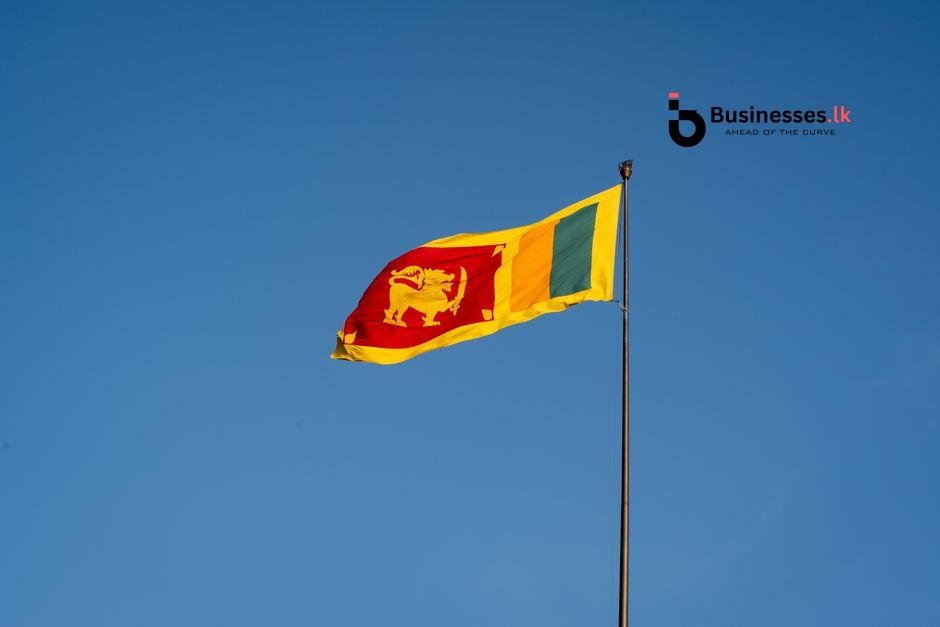
Colour carries significant cultural weight in Sri Lanka. Saffron and gold are associated with spirituality and tradition. Green evokes nature, freshness, and the agricultural heart of the country. Red is energetic but also associated with political identity in some contexts, so use it intentionally. White signals cleanliness and professionalism in a clinical setting but can feel cold in a hospitality or food context. Research your colour choices in relation to your specific audience and industry before committing.
Typography matters more than most SME owners think. A modern sans-serif font communicates differently from a traditional serif. Ensure any font you use has full Unicode support for Sinhala and Tamil characters if your brand communicates in those scripts. Many Sri Lankan brands use beautiful English typography on their logos and then switch to a completely mismatched Sinhala font on their packaging, breaking the visual consistency entirely.
Your logo should be simple enough for a local sign painter to reproduce accurately and flexible enough for digital use. Complexity is the enemy of recognisability at small sizes.
Step 5: Establish Your Brand Voice and Messaging Style
Brand voice is how your business sounds in writing and speech. It should be consistent whether you are writing an Instagram caption, responding to a Google review, or presenting a quote to a client.
Define three or four adjectives that describe your voice. A children’s clothing brand might be warm, playful, and reassuring. A legal consultancy might be authoritative, plain-spoken, and patient. Then write a short example of each voice in action, so anyone creating content for your brand has a reference point.
For Sri Lankan businesses, authenticity of voice is critical. Consumers here are highly attuned to brands that feel performative or imported. A local food brand that writes in a stilted formal English that does not match how its customers actually speak creates distance. Learning to write a brand story that resonates with Sri Lankan consumers is a natural extension of finding your voice, because story and tone are inseparable.
Step 6: Apply Your Brand Identity Consistently Across Every Touchpoint
Consistency is where most Sri Lankan SMEs struggle, not because they lack good intentions, but because they have no documented brand guidelines to keep everyone aligned. When your Instagram page looks different from your business card, which looks different from your shop signage, you are splitting the trust-building work you have done rather than compounding it.
Create a simple brand guidelines document, even one page works to start. Include your logo versions, your colour codes (hexadecimal codes for digital, CMYK for print), your fonts, and two or three examples of your tone of voice. Share it with every designer, printer, and team member who touches your brand.
Touchpoints to audit include: your social media profiles, your website, your physical signage, your packaging, your delivery vehicles if applicable, your email footer, your invoices, and even how your team answers the phone. Each of these is a brand moment. The businesses that grow consistently are the ones committed to achieving the maximum potential of your Sri Lankan business by treating every customer interaction as part of their brand experience.
Common Brand Identity Mistakes Sri Lankan SMEs Make
Copying the aesthetic of a competitor without understanding the underlying strategy is the most common mistake. The second is building a brand around the owner’s personal taste rather than the audience’s expectations. A third is inconsistency across platforms, particularly the gap between a polished Facebook page and an outdated, pixelated business card.
Many local businesses also underestimate the importance of brand equity built over time. They rebrand every two or three years chasing trends, losing the recognition they have already earned. Brand evolution is healthy; constant reinvention is destructive.
When to Hire a Branding Agency vs DIY Your Brand Identity
If you are pre-revenue or testing a concept, a DIY approach using tools like Canva can get you started. But the moment you are presenting to investors, opening a physical location, or competing seriously in your market, professional branding delivers a return that DIY rarely matches.
A good local branding agency brings market research, design expertise, and the ability to create a cohesive system rather than a collection of individual assets. They ask the questions you have not thought to ask. They also understand the Sri Lankan market in ways that generic international freelance platforms simply do not. If you are at the stage of building something with real longevity, it is worth a conversation with a professional team who knows this market.
Brand Identity Checklist for Sri Lankan Businesses
- Brand purpose statement written and clearly articulated
- Three to five core values defined with specific behaviours attached
- Target audience profiled by location, income, language preference, and aspiration
- Competitive positioning mapped: who you are, who you are not
- Brand name checked for pronunciation and connotation in Sinhala, Tamil, and English
- Tagline written and tested with a small group from your target audience
- Language strategy decided: primary language, secondary language use cases
- Logo designed in multiple formats (vector, PNG, reversed version)
- Colour palette defined with hex and CMYK codes
- Typography selected with multilingual script support confirmed
- Brand voice defined with three to four guiding adjectives and written examples
- Brand guidelines document created and shared with all relevant team members
- All existing touchpoints audited for consistency
Building a genuine brand identity for a Sri Lankan business takes honest reflection, audience research, and creative discipline. The businesses that get this right do not just look better; they charge more, retain customers longer, and attract the kind of word-of-mouth that no advertising budget can buy.
FAQ
How much does it cost to build a brand identity in Sri Lanka?
Costs vary widely. A basic DIY brand using free tools like Canva might cost nothing beyond your time. A professional logo and guidelines package from a local freelance designer typically ranges from LKR 25,000 to LKR 80,000. A full branding engagement with a specialist agency, including research, strategy, visual identity, and brand guidelines, can range from LKR 150,000 upwards depending on scope. Budget reflects what you receive: strategy, expertise, and a coherent system rather than individual files.
Should my brand use Sinhala, Tamil, or English in its messaging?
It depends on your audience and geography. If you serve a national audience, using all three languages at appropriate touchpoints signals respect and inclusivity. Colombo-based professional services brands often lead in English but supplement with Sinhala on social media. Brands targeting northern or eastern communities should prioritise Tamil. There is no universal rule, but the choice should be a deliberate strategic decision, not an afterthought.
Do I need to trademark my brand name in Sri Lanka and how do I do it?
Trademarking is not legally mandatory, but it protects you from competitors copying your name or logo. Trademarks in Sri Lanka are registered through the National Intellectual Property Office of Sri Lanka (NIPO). The process involves a search to confirm availability, an application with the relevant class of goods or services, and a publication period before registration is confirmed. Fees and timelines vary; consulting an IP attorney is advisable for the application.
Can a small business in Sri Lanka compete with established brands through branding alone?
Branding alone will not overcome a genuinely inferior product or service, but it can absolutely level the playing field with larger competitors. Consumers often choose a smaller brand with a clear, trustworthy identity over a large but impersonal one. Sri Lankan consumers, in particular, respond strongly to brands that feel local, authentic, and personally invested in their community. Many successful local food and hospitality brands have built loyal followings this way, competing effectively against well-funded competitors.
What is the difference between a logo and a full brand identity?
A logo is a single visual mark: a symbol, wordmark, or combination of both. A full brand identity is the complete system built around that mark, including your colour palette, typography, imagery style, tone of voice, messaging, and the guidelines that govern how all of these elements are used together across every platform and context. A logo without a brand identity system often ends up applied inconsistently, which undermines its power. Think of the logo as one instrument; brand identity is the whole orchestra.