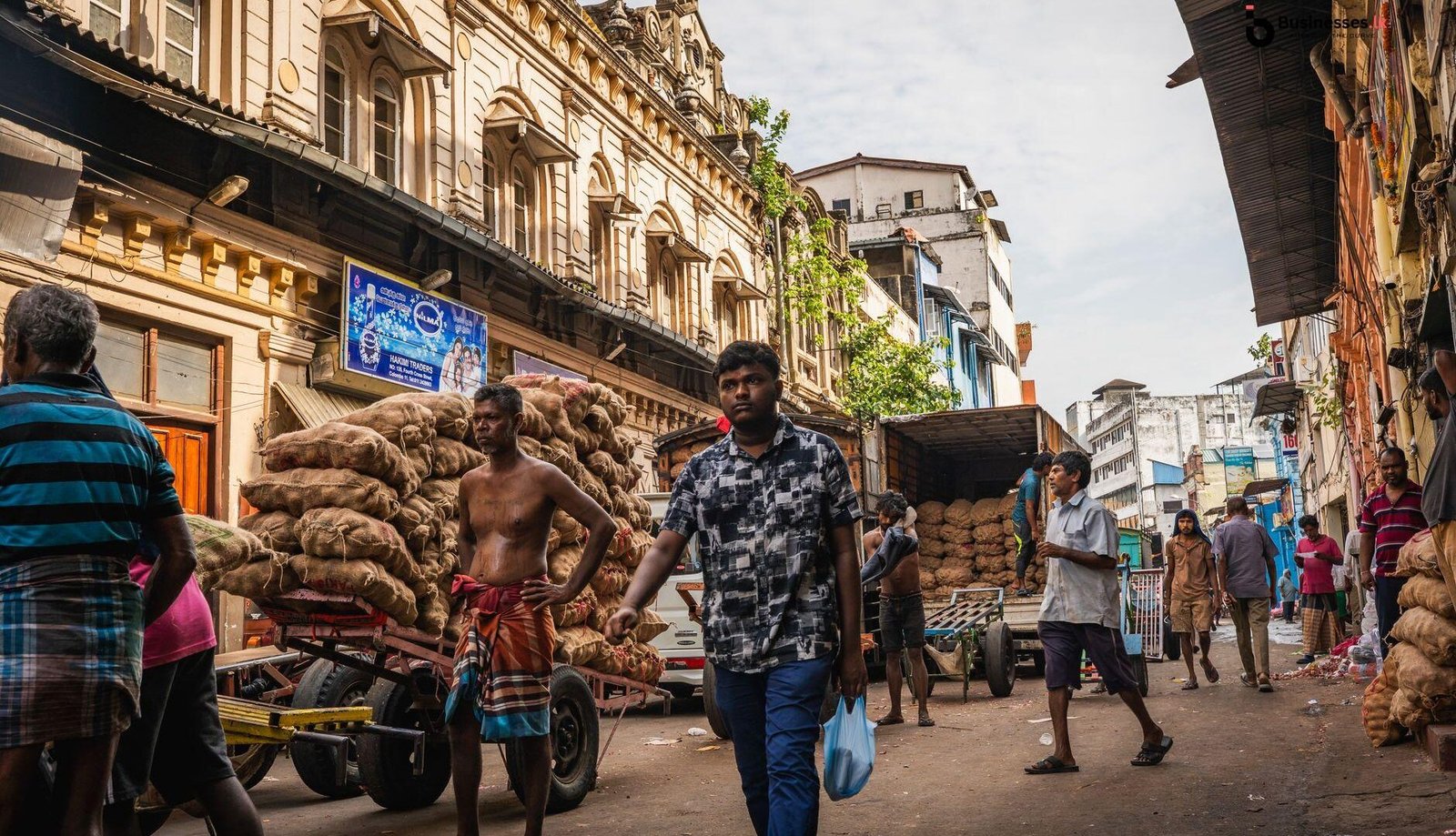
Government grants and funding for startups in Sri Lanka represent one of the most underused advantages available to early-stage founders today. The programs exist, the money is allocated, and qualifying businesses are actively being sought. The gap is almost always awareness and preparation.
Why Government Funding Matters for Sri Lankan Startups Right Now
Access to commercial bank loans remains genuinely difficult for most startups in Sri Lanka. Without two to three years of audited accounts, collateral, or a proven revenue stream, conventional lenders will typically turn you away. Government grants and soft-loan schemes exist precisely to fill that gap, giving early-stage businesses capital they could not access elsewhere.
The post- economic recovery period has pushed several agencies to expand their funding mandates. Export-oriented businesses, tech, agriculture, and creative industries are all priority sectors. If your startup sits in any of those spaces, you are in a stronger position than you might think.
The honest reality is that bureaucratic timelines can stretch longer than you expect. Processing can take months, not weeks. But for a founder who plans ahead, government funding can dramatically reduce the equity or debt you give up at seed stage, giving you more room to grow on your own terms.
Key Government Bodies That Fund Startups in Sri Lanka
Knowing which door to knock on is half the battle. Several agencies run their own schemes, and they serve slightly different applicant profiles.
- EDB (Export Development Board): Focuses on businesses with export potential. If you are producing a product or service that can earn foreign exchange, the EDB should be your first call. They offer grants, market development support, and subsidised trade fair participation.
- SMED (Small and Medium Enterprise Developers): Operates under the Ministry of Industries and targets manufacturing and service SMEs at early and growth stage. Their financial assistance schemes cover both grants and concessionary loans.
- NEDA (National Enterprise Development Authority): Specifically oriented toward micro and small enterprise development. NEDA runs capacity building programmes alongside financial support, which makes it particularly useful for founders who want mentorship alongside capital.
- ICT Agency of Sri Lanka (ICTA): The primary body for digital and technology sector support. ICTA runs startup acceleration programmes, funding competitions, and capacity grants for tech-focused businesses.
- Sri Lanka Inventors Commission (SLIC): Relevant if your startup is built around an innovation or a protectable invention. SLIC offers grants specifically to support product development and prototyping.
- Development Finance Corporation (DFC): Provides concessionary loan facilities, often tied to specific sectors like green energy, agriculture, and manufacturing. Not purely grant-based, but interest rates and repayment terms are far more favourable than commercial banks.
Each body has its own application portal, paperwork requirements, and timelines. Spread your research across at least two or three of these before deciding where to focus your effort.
Top Government Grant and Funding Schemes Available
These are the schemes that Sri Lankan founders are actively applying for and that have verifiable histories of disbursement.
EDB Export Development Grant
Targets businesses ready to enter export markets. Support can cover market research, product certification, packaging redesign, and trade fair participation. Grants typically range from LKR 100,000 to LKR 500,000 depending on the category.
NEDA SME Development Programme
A broad-based programme offering grants and subsidised technical assistance to registered small enterprises. NEDA also facilitates linkages with larger companies, which can be as valuable as the capital itself.
ICTA Digital Economy Grants and LaunchPad
ICTA’s LaunchPad programme has supported dozens of Sri Lankan tech startups with seed-stage grants and mentoring. Keep an eye on their annual call for applications. Amounts vary by cohort but have historically ranged from USD 5,000 to USD 20,000 equivalent.
SMED Technology Upgrading Grants
Specifically for manufacturing-related businesses investing in machinery or production process improvements. Can partially offset capital expenditure on equipment.
DFC Concessionary Loan Schemes
While technically loans rather than grants, DFC schemes offer interest rates well below market and extended grace periods. For capital-intensive startups, they can bridge the gap that grants alone cannot fill.
If you are exploring the most fundable startup ideas in Sri Lanka, aligning your concept with these priority sectors from day one will strengthen every future funding application.
Eligibility Criteria: Who Qualifies for Government Startup Funding?
Eligibility varies by scheme, but several conditions appear consistently across most programmes.
- Business registration: Almost all government schemes require you to be registered with the Registrar of Companies or as a sole proprietorship or partnership with the local authority. Informal businesses rarely qualify.
- Sector alignment: Many schemes restrict funding to priority sectors: manufacturing, technology, export-oriented services, agriculture, and creative industries. Check each programme’s stated focus before applying.
- Revenue and employee thresholds: SME definitions in Sri Lanka typically cap annual turnover (often under LKR 750 million) and headcount (under 300 employees). As a startup, you will almost certainly fall within these limits.
- Sri Lankan ownership: Majority Sri Lankan ownership is commonly required. Foreign-owned entities may be excluded from certain domestic grant programmes.
- Clean tax status: An active tax file with the Inland Revenue Department and no outstanding dues is typically mandatory. Sort this before applying, not during.
One eligibility quirk worth knowing: some NEDA and SMED schemes prioritise applicants who have completed approved training programmes. Attending even a single government-run SME workshop can genuinely improve your application score.
How to Apply: Step-by-Step Process for Sri Lankan Entrepreneurs
Government grant applications reward preparation. Founders who walk in underprepared waste time on both sides of the desk.
- Register your business formally. Get your Certificate of Incorporation or business registration certificate in order first. This is non-negotiable.
- Open and maintain a business bank account. Grants are disbursed to business accounts, not personal ones. A credible transaction history helps.
- Prepare a business plan. Most schemes require one. It does not need to be 50 pages. A clear executive summary, market analysis, financial projections, and use-of-funds section will cover you for the majority of applications.
- Gather your documents early. Standard requirements include your registration certificate, tax file number, NIC copies of directors, audited or management accounts, and a bank statement. Some schemes also want proof of sector activity.
- Apply through the correct channel. Each body has its own portal or physical application process. The EDB, ICTA, and NEDA all have online touchpoints, but some schemes still require an in-person visit to a regional office.
- Follow up consistently. Applications can stall at review stage for weeks. A polite, regular follow-up call or email keeps your file active and signals seriousness.
If you are building your business online, reading up on starting an online business in Sri Lanka before applying will help you articulate your digital business model clearly in your application documents.
Common Mistakes That Get Grant Applications Rejected
Rejection is common, but most of the reasons are avoidable. The following patterns come up repeatedly.
Incomplete documentation. Missing a single supporting document is enough for most agencies to return your application unprocessed. Use a checklist and verify every item before submission.
Vague use-of-funds statements. Saying you will use the grant “for business development” is a fast path to rejection. Be specific: LKR X for equipment, LKR Y for staff training, LKR Z for market entry costs. Reviewers want to see that you have thought this through.
Misalignment with the scheme’s stated sector focus. Applying for an export development grant when your business is entirely domestic will not work, regardless of how strong your proposal is otherwise.
Tax file issues. An inactive tax file or outstanding penalties will block your application at the verification stage. Clear your tax position first.
Poor financial projections. Overly optimistic revenue forecasts with no supporting assumptions raise red flags. Keep your numbers grounded and show how you arrived at them.
Understanding how relationships and reputation function in local institutions can also help. Reading about navigating Sri Lankan business culture will give you practical context for how these interactions typically unfold.
Combining Government Grants With Digital Growth Strategies
Government grants and funding for startups in Sri Lanka work best when paired with a clear growth plan, not treated as a finish line. Receiving a grant without a strategy to scale is one of the most common ways startups fail to convert funding into lasting momentum.
Once you have secured capital, investing a portion in digital infrastructure compounds the value significantly. A well-optimised website, a functioning e-commerce setup, and consistent SEO all generate returns that outlast the grant period. These assets attract customers without ongoing advertising spend, which matters enormously when you are managing a lean post-grant budget.
For many Sri Lankan founders, a grant of even LKR 200,000 to 300,000, when directed strategically at digital visibility and online sales capability, can unlock a revenue stream that makes the next funding round, whether government or private, far easier to secure.
The smartest approach is to document every outcome the grant produces: revenue growth, jobs created, export volumes, digital traffic increases. This data forms the backbone of your next application and demonstrates that you are a fundable, accountable operator.
FAQ
What government grants are available for tech startups in Sri Lanka?
The ICT Agency of Sri Lanka (ICTA) is the primary funder for tech startups, offering seed grants through programmes like LaunchPad and periodic innovation competitions. The EDB also supports tech businesses with export potential. Amounts vary by cohort and scheme but have ranged from USD 5,000 to USD 20,000 equivalent historically.
Do I need a registered business to apply for government funding in Sri Lanka?
Yes. Virtually every government grant and funding scheme in Sri Lanka requires formal business registration, either with the Registrar of Companies or through a local authority. Informal or unregistered businesses are not eligible. Registration should be your first step before exploring any scheme.
Can a startup apply for multiple government grants at the same time in Sri Lanka?
There is no universal rule prohibiting this, but some schemes explicitly exclude applicants already receiving government funding. Read each scheme’s terms carefully. Applying to multiple non-conflicting programmes simultaneously is a legitimate strategy, provided your documentation is consistent across applications.
How long does it take to receive a government grant after applying in Sri Lanka?
Timelines vary widely. Simple NEDA or SMED schemes can process within two to four months. More competitive programmes like ICTA’s LaunchPad run annual or biannual cohorts with structured timelines. Plan for at least three to six months from application to disbursement and build this into your financial planning.
Are there government funding options specifically for women entrepreneurs in Sri Lanka?
Yes. NEDA runs women-specific enterprise development programmes, and several DFC loan schemes offer preferential terms for women-owned businesses. The Women’s Bank, operating under state support, also provides micro-financing targeted at women entrepreneurs. It is worth contacting your nearest NEDA regional office to ask about the current active schemes for women founders.