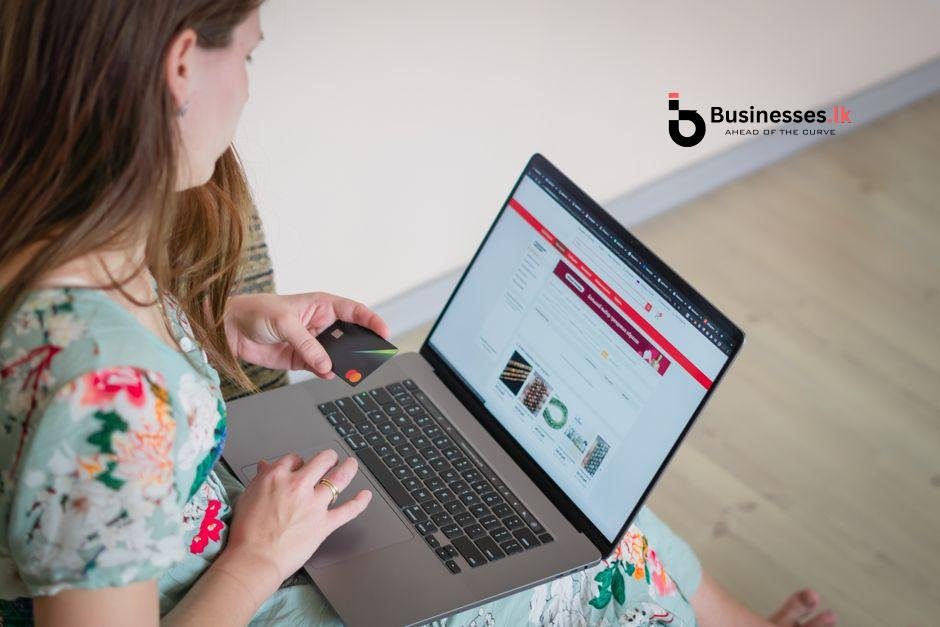
The best e-commerce platforms for small businesses in Sri Lanka are not always the ones dominating global rankings. What works for a London retailer often falls flat in Colombo, where Stripe is unavailable, LKR pricing matters, and your customers pay via PayHere or pick up orders through PickMe Flash. This guide gives you a ground-level comparison built for Sri Lankan conditions.
Why Choosing the Right E-Commerce Platform Matters for Sri Lankan SMEs
Your platform choice is not just a technical decision. It shapes how your customers pay, how you ship, and how much you spend every month. Pick the wrong one and you end up with a beautiful store that cannot accept local card payments, or a marketplace account that eats 15% of every sale.
Sri Lanka’s e-commerce market has grown steadily, but most local SMEs are still in the early stages of digital selling. A Kandy home baker and a Galle export craft seller have very different needs, even if they both want to “sell online.” The right platform is the one that fits your budget, your customers, and the local payment and delivery ecosystem, not just the one with the most Instagram ads.
Key Factors to Consider Before Picking a Platform (Sri Lanka Context)
Before comparing platforms, be clear on what actually matters for your business here.
- Local payment gateway support: Does the platform integrate with PayHere, Genie, or iPay? If not, you cannot accept card payments from Sri Lankan customers without expensive workarounds.
- LKR pricing and currency display: Can your storefront show prices in Sri Lankan Rupees? This is basic, but some platforms still make it awkward.
- Delivery integrations: Compatibility with Sri Lanka Post, PickMe Flash, or Kapruka matters more than FedEx integrations.
- Sinhala and Tamil language support: If your target audience includes non-English shoppers, multilingual capability is worth checking.
- Monthly cost in real terms: A platform priced at USD 29/month costs over LKR 9,000 at current rates. For many SMEs, that alone rules it out.
- Technical support available locally: Can you find a Sri Lankan developer or agency to help you when things break?
If you are still at the idea stage, it helps to first read up on how to start an online business in Sri Lanka before committing to a platform.
Best E-Commerce Platforms for Small Businesses in Sri Lanka: Quick Comparison Table
Here is a straightforward snapshot. Detailed breakdowns follow below.
| Platform | Starting Cost (Monthly) | PayHere Support | LKR Display | Best For |
|---|---|---|---|---|
| Shopify | ~USD 29 (LKR 9,000+) | Yes (via plugin) | Yes | Growth-focused sellers |
| WooCommerce | Hosting only (~LKR 2,000–5,000) | Yes (free plugin) | Yes | WordPress site owners |
| Wix eCommerce | ~USD 17 (LKR 5,000+) | Limited | Yes | Beginners, hybrid businesses |
| Daraz / Shopee | Free (commission per sale) | Built-in | Yes | Marketplace-first sellers |
| ikman.lk / Facebook | Free | Manual/COD only | Yes | Ultra-low-budget startups |
| Custom Build | LKR 150,000–500,000+ (one-time) | Yes | Yes | Unique requirements, scale |
Shopify: Best for Growth-Focused Sellers Who Want Speed
Shopify is polished, fast to launch, and reliable. A Colombo fashion boutique can have a fully functional store live within a weekend. The PayHere payment gateway integrates cleanly via a third-party plugin available on the Shopify App Store, so local card and bank transfer payments are achievable.
The catch is cost. Shopify’s Basic plan starts at USD 29/month, which in LKR terms is a meaningful monthly commitment for an SME just starting out. You also pay transaction fees if you are not using Shopify Payments, which is unavailable in Sri Lanka. That adds up quickly at scale.
Shopify is worth considering if you plan to grow fast, want built-in analytics and inventory tools, and can absorb the monthly cost. For export-facing sellers taking USD or GBP payments, it becomes even more attractive. For a home baker in Nugegoda selling 20 orders a week, it is probably overpriced.
WooCommerce: Best for Budget-Conscious Businesses With WordPress Sites
WooCommerce is the go-to for Sri Lankan SMEs who want control without a large monthly fee. It is a free plugin that turns any WordPress site into a full store. You only pay for hosting, which can be as low as LKR 2,000 to 5,000 per month with local providers like Truehost Lanka or HostingLanka.
The free PayHere WooCommerce plugin is actively maintained and widely used. Sri Lankan developers know WooCommerce well, so finding local help is straightforward. You can display prices in LKR, build product pages in Sinhala or Tamil with the right plugins, and connect to Sri Lanka Post shipping rates manually.
The honest limitation: WooCommerce takes more effort to set up and maintain than Shopify. You are responsible for updates, security, and performance. But for a budget-conscious Galle craft seller or a home-goods business in Matara, the lower cost floor makes it the most practical independent store option available locally.
Wix eCommerce: Best for Beginners and Service-Product Hybrids
Wix is genuinely beginner-friendly. If you are a beauty therapist in Colombo 7 who wants to sell both appointment slots and skincare products from one website, Wix handles that combination better than most platforms. The drag-and-drop editor requires no coding knowledge at all.
However, PayHere integration is not native on Wix. You need workarounds like embedding a PayHere payment link or using a third-party connector, which is less seamless. For businesses where most customers pay cash on delivery, this may not be a deal-breaker. For anyone wanting a smooth card-payment checkout, it is a frustration.
Wix eCommerce plans start around USD 17/month. That is more manageable than Shopify, but still a real LKR commitment. Treat it as a solid starter option for low-volume, hybrid service-product businesses rather than a serious store for 50+ SKUs.
Shopee & Daraz: Best for Marketplace-First Sellers in Sri Lanka
Daraz is the dominant marketplace in Sri Lanka, with an established customer base and built-in payment and logistics infrastructure. You do not need to set up a payment gateway, negotiate with couriers, or build any website. List your product, and Daraz handles the checkout and often the delivery through DarazEx.
The trade-off is dependency. Daraz charges commission (typically 5-15% depending on category), controls the customer relationship, and can change its rules at any time. You never own your customer list. Shopee has a smaller local presence but is growing, particularly among younger buyers.
These platforms are ideal for a first step. Many Sri Lankan sellers start on Daraz to validate demand and build cash flow, then invest in their own store later. That is a sensible sequence, not a shortcut to avoid.
ikman.lk & Facebook Shops: Best for Ultra-Low-Budget Startups
If your monthly marketing budget is under LKR 5,000 and you are testing whether your product even sells, these channels make complete sense. ikman.lk is Sri Lanka’s most-visited classifieds platform. A listing costs nothing, and local buyers search it habitually for furniture, electronics, clothing, and more.
Facebook Shops lets you create a product catalogue inside your Facebook page and tag products in posts and reels. Payment is typically arranged via bank transfer or cash on delivery, which is actually how a large portion of Sri Lankan online transactions still work.
Neither channel gives you a proper “store” in terms of branding, SEO, or scalability. But they cost nothing to test. For a first-time seller in Anuradhapura or a college student launching a side business, starting here is practical wisdom, not a compromise.
There are plenty of profitable business ideas to launch online in Sri Lanka that begin exactly this way before growing into full stores.
Custom-Built E-Commerce Solutions: When Local Development Makes Sense
A custom-built store is not for everyone, but it is the right answer for some businesses. If you are running a multi-vendor platform, a subscription box service, or need deep integration with a POS system, off-the-shelf platforms will frustrate you quickly.
Local Sri Lankan developers typically charge LKR 150,000 to 500,000 for a full custom e-commerce build, depending on complexity. You get complete control over the customer experience, full PayHere and Genie integration, and features built specifically for your workflow. Ongoing maintenance costs money too, so factor in a monthly retainer.
Custom builds are a long-term investment. If you are already generating consistent revenue and your current platform is holding you back, this conversation is worth having with a local development agency.
Local Payment Gateways and Delivery Integrations You Must Check
This section deserves its own space because it is where most Sri Lankan e-commerce stores quietly fail. Even a beautifully designed store loses sales if the payment step breaks or feels untrustworthy.
PayHere is the most widely used local gateway, supporting Visa, Mastercard, and bank transfers. It integrates directly with WooCommerce and Shopify via plugins. iPay (by Nations Trust Bank) and Genie (by Dialog) are growing alternatives with solid reliability. Always test the full checkout flow before going live, including mobile, because most Sri Lankan shoppers buy on their phones.
For delivery, PickMe Flash works well for same-day Colombo deliveries. Sri Lanka Post’s EMS service remains the most affordable nationwide option for smaller parcels. Kapruka offers integrated delivery with gift-wrapping, useful for certain product categories. Build your delivery cost structure before you set shipping rates; underestimating this is a common early mistake.
For more on this, the National Institutes of Health is obviously not relevant here, but you can explore the full scope of e-commerce including logistics models on Wikipedia as background reading.
Which Platform Should You Choose? A Decision Guide by Business Type
Here is a practical shortcut based on common Sri Lankan business scenarios.
- Home baker or food maker, low volume: Start with Facebook Shops or ikman.lk. Move to WooCommerce once you consistently hit 30+ orders a month.
- Fashion or clothing boutique: WooCommerce or Shopify. Shopify if you have a budget and want speed; WooCommerce if you want lower ongoing costs.
- Handmade or export crafts: Shopify for international reach, combined with a Daraz listing locally. Use PayHere for local sales and a Shopify plan that supports multiple currencies for export.
- Service business adding products: Wix eCommerce or WooCommerce added to an existing WordPress site.
- Multi-brand or marketplace idea: Custom build. Do not try to force this into Shopify or WooCommerce without expert guidance.
How to Get Professional Help Setting Up Your Online Store in Sri Lanka
Setting up a platform yourself is possible. Setting it up well, with correct payment gateway configuration, SEO-ready product pages, mobile-optimised design, and delivery rates that do not lose you money, is harder than it looks. Most Sri Lankan SME owners who try it alone spend three to four months fixing problems that a professional setup would have avoided.
A good local digital agency does not just install WooCommerce; they help you structure your catalogue, configure PayHere correctly, set up Google Analytics, and make sure your store actually converts. If you are serious about growing through e-commerce, that investment pays back quickly.
Connecting with digital marketing agencies in Sri Lanka that support e-commerce growth is a practical next step once you have decided on your platform direction.
The best e-commerce platforms for small businesses in Sri Lanka are only as good as the setup behind them. Choose the right platform for your business type, get the payment and delivery integrations right from day one, and do not wait for the perfect moment to start.
FAQ: E-Commerce Platforms for Sri Lankan Small Businesses
Which e-commerce platform works best with Sri Lankan payment gateways like PayHere?
WooCommerce and Shopify both have well-maintained PayHere plugins that work reliably. WooCommerce’s PayHere plugin is free and widely used by Sri Lankan developers. Shopify requires a third-party app but works cleanly. Wix has limited direct support for PayHere and requires workarounds.
Can I sell online in Sri Lanka for free or with a very low budget?
Yes. Facebook Shops and ikman.lk are free to start with, and most sellers there use cash on delivery or direct bank transfer. WooCommerce is also very low cost if you already have WordPress hosting. These options are legitimate starting points, not just fallbacks.
Is Shopify available and worth using for small businesses in Sri Lanka?
Shopify is fully accessible in Sri Lanka and supports LKR pricing and PayHere integration. It is worth it if you are selling at reasonable volume, targeting growth, or selling to international customers. For very small or low-volume sellers, the monthly cost in LKR terms is hard to justify early on.
What is the difference between selling on Daraz and building my own online store?
Daraz gives you instant access to an existing customer base with built-in payments and logistics, but you pay commission on every sale and do not own the customer relationship. Your own store costs more to set up but gives you full control over branding, pricing, customer data, and long-term profitability. Many Sri Lankan sellers use both together.
Do I need a business registration to start an e-commerce store in Sri Lanka?
You do not legally need a registered business to list products on Facebook or ikman.lk. However, to open a business bank account, register with PayHere or Daraz as a merchant, or collect taxes properly, a registered sole proprietorship or company is required. Registering with the Registrar of Companies or the Divisional Secretariat for a sole trade is straightforward and worth doing early.