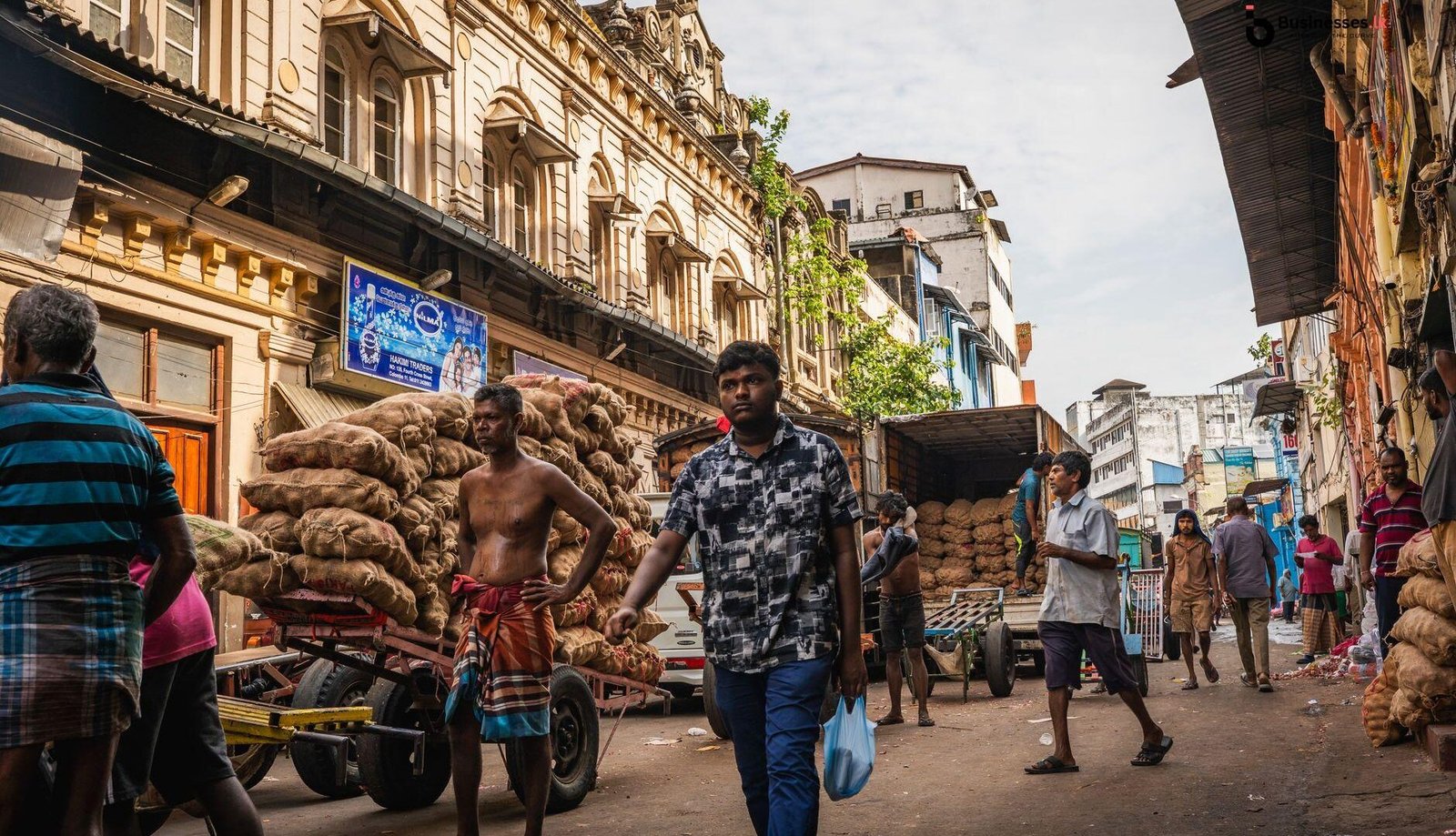
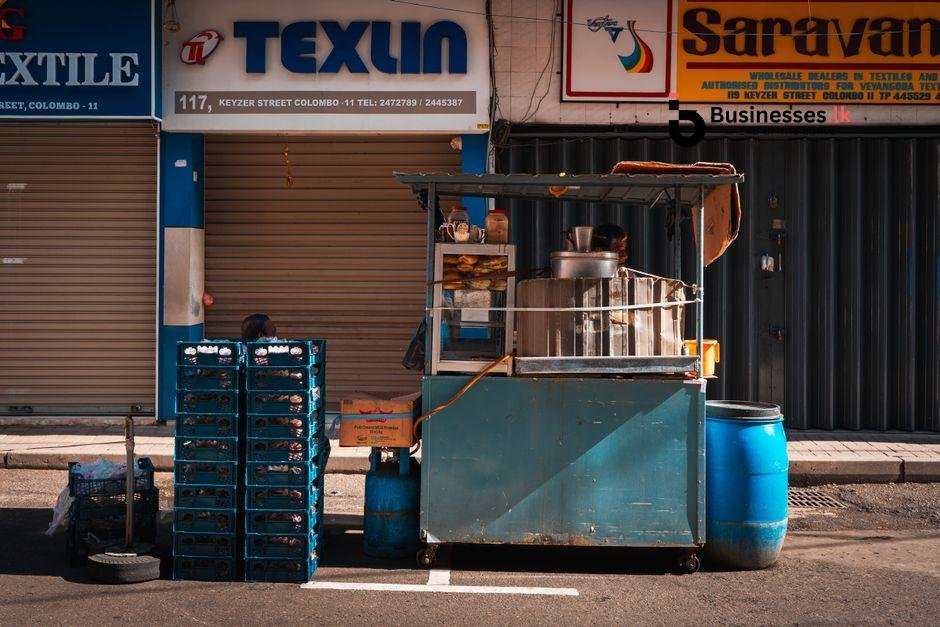
These content marketing tips for Sri Lankan small business owners cut through the generic global advice and focus on what actually moves the needle here: the right platforms, the right language, and the kind of trust-building that Sri Lankan buyers respond to. Content marketing, in short, means creating useful or engaging material that draws customers to your business rather than chasing them with ads.
What Is Content Marketing and Why It Matters for Sri Lankan SMEs
Most small business owners in Sri Lanka run lean operations. There is no dedicated marketing team, no agency retainer, and no time to experiment with strategies that were designed for a US or European market. Content marketing changes the equation because it compounds. A helpful Facebook post, a short video showing your production process, a WhatsApp message with a useful tip, each one builds familiarity and trust over time.
Sri Lankan buyers, especially outside Colombo, rely heavily on word-of-mouth and personal recommendation. Content marketing is the digital version of that. When your business shows up consistently with something useful or relatable, people remember you when they are ready to buy.
Tip 1: Publish in the Language Your Customers Actually Use (Sinhala, Tamil, or Bilingual)
This is the single biggest gap between global content advice and local reality. Most Sri Lankan SME guides say “create quality content” without acknowledging that a large proportion of your customers may not engage deeply with English text.
If you serve a predominantly Sinhala-speaking audience in the Southern or Central Province, a Sinhala-language Facebook post will consistently outperform an English one. For businesses in Jaffna, Batticaloa, or serving the estate sector, Tamil content builds an immediate sense of relevance. Many businesses in Colombo do well with a bilingual approach: English headline, Sinhala or Tamil body copy.
You do not need to be a copywriter. Record a voice note, get it transcribed, clean it up. Tools like Google Translate give you a starting draft you can then pass to a fluent speaker for a quick edit. The effort is minimal; the engagement difference is significant.
Tip 2: Use Facebook and WhatsApp as Your Primary Content Distribution Channels
For most Sri Lankan small businesses, Facebook and WhatsApp are not just platforms, they are the market. Facebook remains the dominant discovery channel for SMEs, while WhatsApp is where deals get closed and relationships get maintained.
Posting on Facebook without a strategy is a missed opportunity. Post at times when your audience is most active (typically 7 to 9 pm for consumer-facing businesses), use images that reflect local settings and faces, and engage genuinely in the comments. For WhatsApp, building a broadcast list or a community group around your business gives you a direct line to warm leads at zero cost. Read our full guide on WhatsApp Business tips for Sri Lankan entrepreneurs for a deeper breakdown of how to structure this properly.
Instagram and TikTok have growing audiences among younger urban Sri Lankans, but if you are resource-constrained, nail Facebook and WhatsApp first before spreading thin.
Tip 3: Tell Local Stories, Feature Real Customers and Community Moments
Sri Lankan buying culture is relationship-driven. A customer from Kandy or Galle is far more likely to trust a business that looks like it belongs to their community than one that feels imported or corporate. Your content should reflect that.
Feature a real customer with their permission, show your workshop or production floor, post a photo from your local Pola or the street outside your shop. These moments of authenticity perform exceptionally well on Facebook because they trigger comments, shares, and the kind of organic reach that paid ads struggle to replicate. Understanding modern Sri Lankan business culture will help you communicate in ways that resonate with local values rather than borrowing from Western templates.
Tip 4: Build Trust with Educational Content Before Selling
One of the most effective content marketing tips for Sri Lankan small business owners is this: teach before you pitch. If you sell herbal products, post about which herb helps with which condition. If you run a hardware store, share a tip on how to prepare walls before painting. If you offer tailoring, show how to measure for a good fit.
This approach works especially well in Sri Lanka because trust takes longer to establish than in transactional Western markets. A buyer who has learned something from your page over three months is far more likely to buy from you than one who sees your ad for the first time. Aim for roughly three to four educational or story-based posts for every one direct promotional post.
Tip 5: Create a Simple Monthly Content Calendar You Can Stick To
You do not need a sophisticated tool or a full agency workflow. A WhatsApp reminder to yourself or a basic Google Sheet with dates and post topics is enough to start. The goal is consistency, not perfection.
Plan for around 10 to 15 posts per month across Facebook and WhatsApp combined. Block out your key cultural dates (Avurudu, Christmas, Vesak, Ramadan), your sales periods, and any local events relevant to your industry. Fill the remaining slots with a mix of educational tips, customer stories, behind-the-scenes content, and occasional promotions. When you have a plan, you stop staring at your phone wondering what to post.
Tip 6: Repurpose One Piece of Content Across Multiple Formats
Repurposing is how small teams stay consistent without burning out. A single idea can become a Facebook post, a WhatsApp message, a short video, and a photograph, all in the same week.
Say you write about the benefits of handloom fabric. That becomes a Facebook post with a product photo, a one-minute video of the weaving process, a before-and-after image for Instagram Stories, and a WhatsApp voice note summarising the key points for your broadcast list. One idea, four pieces of content. This approach stretches your time and keeps your message consistent across channels without requiring you to invent something new every day.
Tip 7: Leverage Seasonal and Cultural Moments Relevant to Sri Lanka
Avurudu in April is the single biggest organic content opportunity of the year for most Sri Lankan businesses. But there are many others: Vesak lantern season, the back-to-school rush in January, Ramadan for businesses serving Muslim communities, the Colombo Christmas shopping period, and harvest festivals in agricultural regions.
Plan content around these moments at least two weeks in advance. A bakery sharing a traditional Avurudu sweetmeat recipe, a clothing retailer posting a guide to dressing for Wesak, a stationery shop offering back-to-school tips, all of these are highly shareable and commercially relevant at exactly the right moment.
Tip 8: Use Video, Even Short, Low-Budget Clips Outperform Text Locally
You do not need a camera crew. A steady hand, good natural light, and a clean background are enough. Facebook’s algorithm actively favours video, and Sri Lankan audiences have shown consistently strong engagement with short Sinhala and Tamil video content, even when production quality is modest.
A 60-to-90-second clip showing how a product is made, demonstrating a service, or answering a common customer question will almost always outperform a text post on the same topic. Film it on your phone, add subtitles (Facebook’s auto-caption tool is free and reasonably accurate), and post it natively to Facebook rather than sharing a YouTube link. Native uploads get significantly more reach.
Tip 9: Track What Works Using Free Tools Like Meta Insights and Google Analytics
Implementing content marketing tips for Sri Lankan small business owners is only half the job. Knowing what to do more of is the other half. Meta Business Suite’s Insights tab shows you which posts got the most reach, engagement, and link clicks, for free. Check it once a week, not once a month.
If you have a website, connect it to Google Analytics (GA4). It takes about 20 minutes to set up and shows you which content is driving visits and how long people stay. A bakery in Negombo might discover that their recipe posts drive far more website traffic than their product listings. That is a signal: produce more recipe content, link to your order page from within it.
Tracking does not need to be complex. Look for patterns over four to six weeks and double down on what your specific audience responds to.
How Content Marketing Supports Your Broader Business Growth
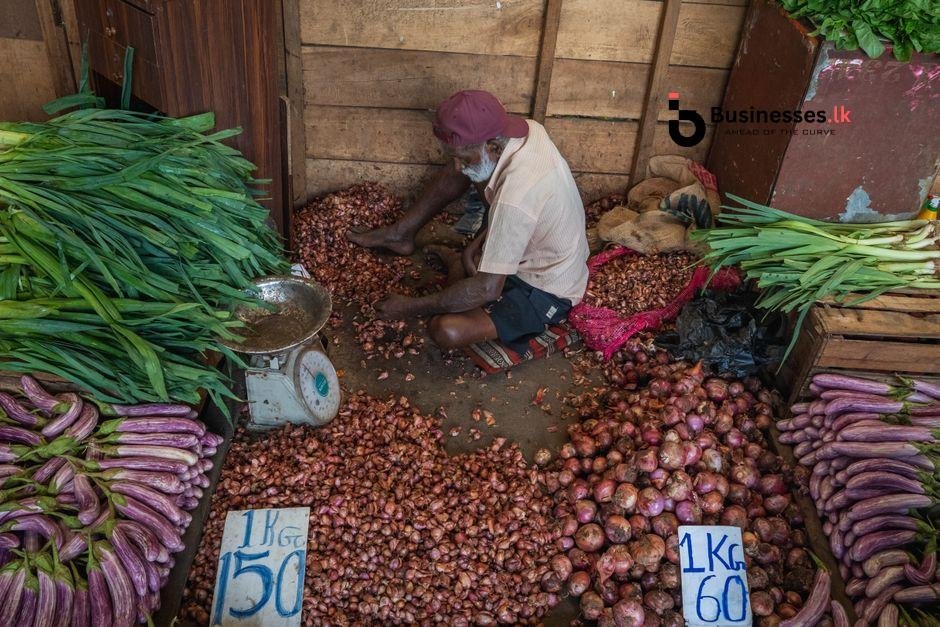
Consistent content builds something that paid advertising alone cannot: a reputation. Over time, your business becomes the one people think of first in your category within your community. That is brand equity, and it reduces your dependence on expensive ad spend to stay visible.
Understanding the difference between branding and marketing for Sri Lankan SMEs will help you see how content sits at the intersection of both: it markets your products while simultaneously building the brand people trust. When your content, your customer service, and your product quality all point in the same direction, the growth becomes compounding rather than sporadic.
For a structured look at how to turn these individual tactics into a full growth strategy, explore the broader framework for achieving your Sri Lankan business’s maximum potential. The businesses that grow sustainably are the ones that treat content not as an afterthought but as a core business function, even at a small scale.
FAQ
How much does content marketing cost for a small business in Sri Lanka?
You can start with zero direct spend. Facebook, WhatsApp, and Google’s free tools cost nothing to use. The main investment is time, roughly 3 to 5 hours per week for a basic but consistent strategy. If you want to boost posts or outsource content creation, even a budget of Rs. 5,000 to Rs. 15,000 per month can generate meaningful results when spent strategically on Facebook-boosted posts targeting local audiences.
Should I create content in Sinhala, Tamil, or English for a Sri Lankan audience?
It depends entirely on who your customers are. For businesses serving local communities outside Colombo, Sinhala or Tamil will almost always drive stronger engagement. For B2B businesses or professional services targeting urban Sri Lanka, English or a bilingual approach works well. When in doubt, test the same message in two languages over a few weeks and let your Meta Insights data tell you which version your audience responds to more.
How often should a Sri Lankan small business post content on social media?
Aim for at least three to four times per week on Facebook and two to three WhatsApp broadcast messages per week. Consistency matters more than volume. Posting daily for two weeks then disappearing for a month hurts your reach and your credibility. A realistic, sustainable schedule you can maintain over months is far more valuable than an intensive burst that leads to burnout.